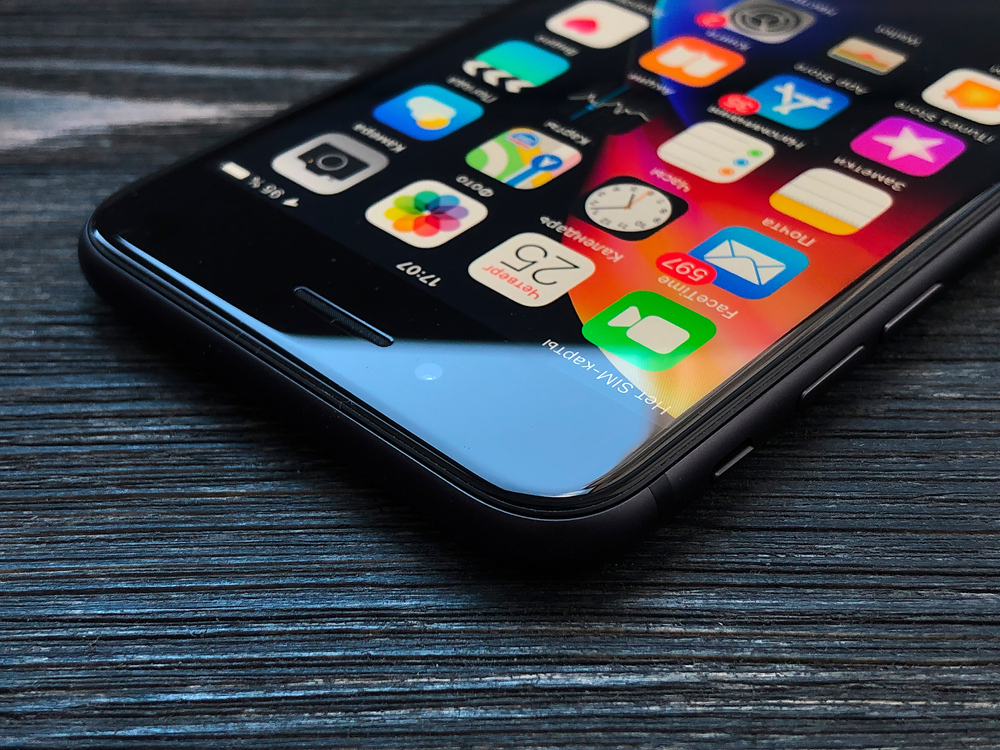
Mobile apps have become an integral part of our daily lives. Whether it's ordering food, booking a ride, or staying connected with loved ones, we rely heavily on these small but powerful applications. With fierce competition in the app market, it's crucial for developers and marketers to have a solid mobile app marketing strategy to stand out and attract users. In this article, we will explore some essential tips and tricks to master mobile iOS or Android app promotion.
Understanding Your Target Audience
Before diving into any marketing efforts, it's crucial to understand your target audience. Who are the people most likely to use your mobile app ? What are their needs, preferences, and pain points? Conduct thorough market research to gain valuable insights into your potential users.
Knowing your audience will help you tailor your marketing messages, user experience, and features of your mobile Google Play or App Store app to meet their specific requirements. By understanding their pain points, you can position your app as the solution they've been searching for.
Optimizing Your App Store Listing
An app store listing is often the first interaction users have with your mobile App Store or Google Play app . Optimizing it can make a significant difference in user acquisition. Here are three key areas to focus on:
Title and Description
The title of your mobile Android or iOS app should be catchy, concise, and reflect its functionality. Use relevant keywords to improve its visibility in search results. The description should highlight the unique features, benefits, and value your app offers to users. Use compelling language, include screenshots, and consider adding a video demo to showcase your app's capabilities.
Keywords
App stores rely heavily on keywords to match user searches. Identify relevant keywords related to your app and incorporate them into your title, description, and tags. Avoid keyword stuffing, as it can lead to negative consequences. Focus on using keywords in a natural and contextual manner to optimize your app store listing.
App Icon and Screenshots
Your app icon is the face of your app. It should be visually appealing, memorable, and represent the essence of your mobile app. High-quality screenshots showcasing the user interface, key features, and benefits of your app can significantly impact conversions. Use powerful visuals to capture users' attention and convince them to download your mobile app.
Social Media Marketing
With the increasing popularity of social media platforms, leveraging them for mobile app marketing is essential. Here's how you can effectively utilize social media:
Create Engaging Content
Develop compelling content related to your mobile app that resonates with your target audience. It can be blog articles, videos, infographics, or testimonials. Share this content on social media platforms to generate interest and raise awareness about your mobile app.
Run Targeted Ad Campaigns
Most social media platforms offer advanced targeting options to reach specific user demographics. Utilize these features to run highly targeted ad campaigns for your mobile app. Define your target audience based on factors such as age, location, interests, and behaviors to maximize your campaign's effectiveness.
Engage with Users
Interact with your audience on social media platforms to build a community around your mobile app. Respond to comments, answer questions, and encourage user-generated content. Actively engaging with users can enhance brand loyalty and help spread positive word-of-mouth about your app.
Influencer Marketing
Influencer marketing has emerged as a powerful tool for app promotion. Collaborating with influencers who align with your target audience can significantly boost your mobile app's visibility and credibility. Here's how to effectively implement influencer marketing:
Identify Relevance
Research and identify influencers in your niche or industry who have an engaged and relevant following. Look for influencers with a genuine interest in your app's concept or industry.
Build Relationships
Reach out to influencers and build genuine relationships by expressing your appreciation for their work and demonstrating how your mobile app aligns with their audience's interests. Personalized messages can go a long way in building fruitful partnerships.
Create Compelling Campaigns
Collaborate with influencers to create engaging content that highlights your mobile app's features, benefits, and overall user experience. This could include reviews, tutorials, and influencer-generated content that showcases your app in an authentic and relatable manner.
App Store Optimization (ASO)
App Store Optimization (ASO) is the process of optimizing your mobile app to rank higher in app store search results. Here are a few ASO strategies to boost your app's visibility:
Optimize App Keywords
Similar to optimizing your app store listing, app keywords play a vital role in ASO. Include relevant keywords in your app's title, description, and tags. Monitor the performance of these keywords and make necessary adjustments based on user search trends.
Monitor and Respond to Reviews
User reviews and ratings significantly influence users' decision-making process. Encourage satisfied users to leave positive reviews and respond to negative reviews promptly. Addressing user concerns and delivering exceptional customer support can improve your app's overall rating and reputation.
Regularly Update Your App
Keep your mobile app up to date by releasing regular updates that address bug fixes, enhance performance, and introduce new features. Regular updates show that you are committed to providing an excellent user experience, which can positively impact your app's ranking and credibility.
Track and Analyze App Performance
To optimize your mobile app marketing strategy, it's crucial to track and analyze app performance. Here's how you can do it effectively:
Implement Mobile Analytics Tools
Integrate mobile analytics tools like Google Analytics or Firebase into your app to gain valuable insights into user behavior, engagement, and conversion rates. These tools provide detailed metrics that help you identify areas for improvement and make data-driven decisions.
Track Key Performance Indicators (KPIs)
Identify and track relevant KPIs that align with your mobile app marketing goals. This could include app downloads, user retention rates, in-app purchases, and average session duration. By regularly monitoring these metrics, you can identify patterns, trends, and areas that require optimization.
Frequently Asked Questions
1. How long does it take for a mobile app marketing strategy to show results?
The timeline for seeing results from your mobile app marketing strategy can vary depending on various factors such as your target audience, competition, and the effectiveness of your marketing efforts. It's important to be patient and consistently monitor and optimize your strategy to achieve the desired results.
2. Is it better to focus on organic or paid user acquisition for mobile app marketing?
Both organic and paid user acquisition strategies have their advantages. Organic user acquisition focuses on optimizing your app store listing, leveraging social media, and implementing ASO techniques to attract users naturally. Paid user acquisition involves running targeted ad campaigns to reach a wider audience. It's beneficial to have a combination of both strategies for comprehensive app marketing.
3. How often should I update my mobile app?
Regular updates are crucial to maintain app performance, address bug fixes, introduce new features, and enhance the user experience. Aim to release updates every few months to ensure your app stays relevant and competitive in the market.
4. How can I encourage users to leave positive reviews for my mobile app?
Encourage users to leave positive reviews by providing exceptional customer support, delivering a seamless user experience, and offering incentives such as exclusive in-app content or discounts. Promptly respond to user reviews, address their concerns, and show genuine appreciation for their feedback.
5. How important is it to localize my mobile app for different regions and languages?
Localizing your mobile app can significantly expand your user base and improve user engagement. By adapting your app's language, design elements, and content to specific regions and languages, you demonstrate your commitment to providing a personalized experience. This can help establish trust and attract users who prefer apps in their native language.
Mastering mobile app marketing requires a combination of understanding your target audience, optimizing your app store listing, leveraging social media and influencer marketing, implementing app store optimization techniques, and tracking app performance. By following these essential tips and tricks, you can enhance your app's visibility, attract users, and ultimately achieve success in the competitive mobile app market.
Other useful resources
- https://www.appguru24.com/services/app-development/
- https://www.appguru24.com/ios-app-promotion/
- https://en.wikipedia.org/wiki/IOS